Mortar Walls: A Complete Guide for Huddersfield Homeowners
By Richardsons Drystone Walls

What is a mortar wall?
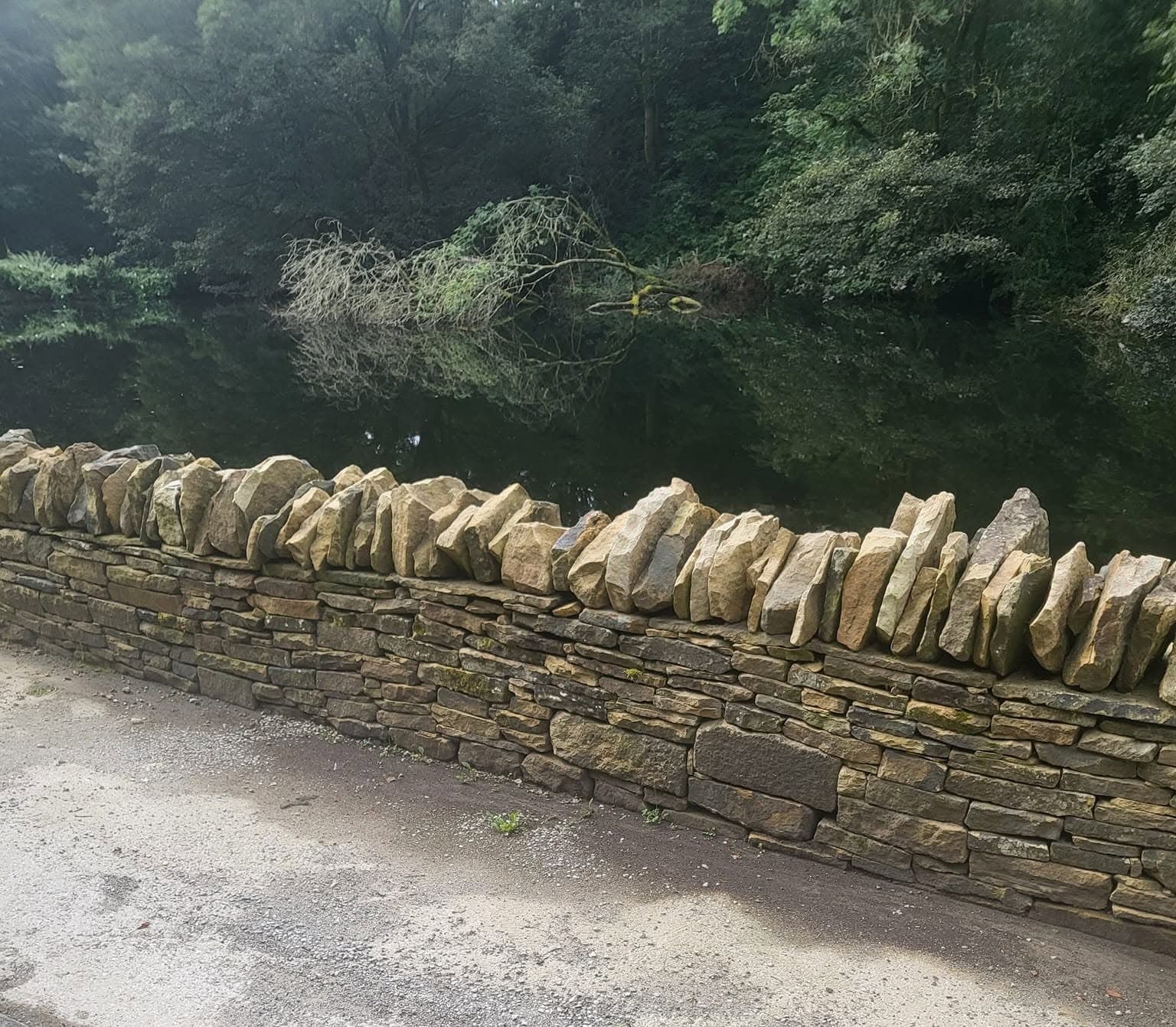
A mortar wall is built by laying bricks, blocks or natural stone in courses, with mortar used to bond the materials together. Unlike a dry stone wall, where carefully selected stones rely on their shape and weight, a mortar wall uses a jointing material to create a more fixed structure.
Mortar walls can be used for boundary walls, garden divisions, retaining features, property entrances and other building work around a home. In Huddersfield, they are often chosen to complement traditional stone properties, modern extensions and older terraces where the new work needs to sit comfortably alongside the existing building.
The right design depends on the wall’s purpose, its height, the materials being used and the conditions around the site.
Where are mortar walls used?
Homeowners may choose a mortar wall for several practical and visual reasons, including:
- Boundary walls between gardens or properties
- Low walls around patios, paths and driveways
- Garden walls and raised planting areas
- Entrance walls and gate piers
- Repairs to damaged masonry
- New walls forming part of wider general building work
Commercial premises and property managers may also need mortar wall repairs or new construction around offices, rental properties, retail units and communal spaces. The scale can vary from a small repair to a larger project involving several sections of wall.
Choosing the right materials
Brick, block or natural stone?
The material should suit both the purpose of the wall and the character of the property. Brick can work well with traditional and contemporary buildings, while blocks are often used where the wall will later receive a finish or form part of a wider construction project. Natural stone is particularly suitable for properties in and around Huddersfield, where local stone is a defining feature of many homes and boundary walls.
Colour, texture, size and laying pattern all affect the finished appearance. A new wall that ignores the surrounding materials can look out of place, even if it is structurally sound. Matching the existing masonry as closely as practical usually produces a more considered result.
Mortar selection matters
Mortar is not simply a filler between bricks or stones. It needs to work with the masonry rather than being harder or less breathable than the material around it. The wrong mix can contribute to cracking, water retention or damage to softer brick and stone.
Older properties may need particular care because traditional masonry often behaves differently from modern construction. Existing joints should be assessed before repair work begins, especially where the wall has been exposed to repeated wet and freezing conditions.
How to plan a mortar wall project
Before work starts, inspect the site and consider the following points:
- Purpose: Decide whether the wall is decorative, a boundary feature, part of a garden layout or connected to a wider building project.
- Position: Check the boundary, access, nearby paths and any existing structures that could affect the work.
- Ground conditions: Soft, uneven or sloping ground may require additional preparation before the first course is laid.
- Drainage: Water must be able to move away from the wall. Poor drainage can place pressure on masonry and lead to movement or staining.
- Materials: Select brick, block, stone and mortar that are appropriate for the property and the intended use.
- Finish: Consider joint profile, coping stones, caps and how the wall will meet gates, paving or landscaping.
For higher walls, retaining structures or work close to a public route, professional advice is especially important. The design may need to account for loading, movement, drainage and local requirements.
Common mortar wall problems
Cracking can result from movement in the ground, shrinkage, frost damage, impact or unsuitable materials. Small surface cracks should not automatically be ignored, particularly if they are widening or appearing alongside leaning, bulging or open joints.
Loose or weathered mortar joints can allow water to enter the wall. During cold weather, trapped moisture can freeze and expand, causing further deterioration. Discolouration, damp patches and plant growth may also indicate that water is not draining as it should.
A wall that is leaning, separating from an adjoining structure or showing significant movement should be assessed before cosmetic repairs are attempted. Repointing alone will not resolve an underlying structural problem.
Maintaining a mortar wall
Good maintenance can extend the useful life of stonework and masonry. Keep the top of the wall clear of excessive vegetation, check joints periodically and remove plants that are rooting into cracks. Make sure nearby gutters, downpipes and paving are not directing water towards the wall.
Avoid aggressive cleaning methods that can damage the face of brick or stone. If repairs are needed, matching the existing material and joint appearance helps preserve the character of the property. Prompt attention to minor defects is often more practical than allowing water ingress and frost damage to spread.
Mortar wall work in Huddersfield
Richardsons Drystone Walls carries out mortar wall work for homeowners, commercial customers and property managers across Huddersfield, with services also available in Halifax, Brighouse, Elland, Cleckheaton, Mirfield, Liversedge, Hebden Bridge, Bradford, Leeds, Denby Dale, Barnsley, Holmfirth and Marsden.
The business takes on small repairs, mid-size installations and larger projects, alongside stone steps, drystone walls, patios, fencing, decking, blockwork stonework, joinery and general building. It is fully insured and offers same-day callouts where urgent attention is needed.
If you are planning a new mortar wall or have noticed cracking, movement or damaged joints, contact Richardsons Drystone Walls to discuss the work and request a quotation. The scope, materials, access and condition of the existing wall will all affect the recommended approach.